REVIEW · ST JOHN S
St. John’s: Rum Cooking Class with 6 Rum Tastings
Book on GetYourGuide →Operated by Nicole's Table · Bookable on GetYourGuide
Rum, food, and stories from Antigua’s hills. At Nicole’s Table, you cook with rum, taste six regional rums, and eat lunch on a veranda overlooking the Caribbean Sea.
I love how relaxed the class feels, thanks to Nicole’s informal, story-filled teaching, and how the food lessons connect to real West Indies life. I also love that the rum tasting isn’t random sipping; it ties directly into what you’ll be cooking and eating across the starter, main, and dessert.
One thing to think about: there’s no hotel pickup, and the home sits high on a hill, so you’ll want to plan your arrival (and skip it if you need wheelchair access).
In This Review
- Key Points You’ll Care About
- A Hilltop Caribbean Home Turns Cooking Into a Real Evening
- How Nicole Teaches Rum as an Ingredient (Not Just a Drink)
- The Six-Rum Tasting: From Antigua to Cuba
- Your Three-Course Lunch Includes What You Cook
- Cocktails and A Local Start
- Starter: Sweet Potato Soup with Rum
- Main: Rum and Brown Sugar Marinated Flank Steak + Onion Jam
- Sides: Plantains Wrapped in Bacon, Red Beans and Rice, Garden Salad
- Dessert: Bread Pudding with Rum-Soaked Raisins
- Timing and Price: What You’re Really Paying For
- Getting There: No Pickup and a Hill-Top Location
- Who This Rum Class Suits Best (And Who Should Skip It)
- How to Prepare: Allergies, Clean Hands, and Feeling Well
- Should You Book This Rum Cooking Class in Antigua?
- FAQ
- Where do I meet for the cooking class?
- Is there hotel pick-up and drop-off?
- How long is the experience, and when does it start?
- Do I get recipes to take home?
- Is there a minimum drinking age?
- What if I have dietary requirements or food allergies?
- Can I cancel for a refund?
Key Points You’ll Care About
- Hilltop veranda views over the Caribbean Sea make the meal feel like part of the experience
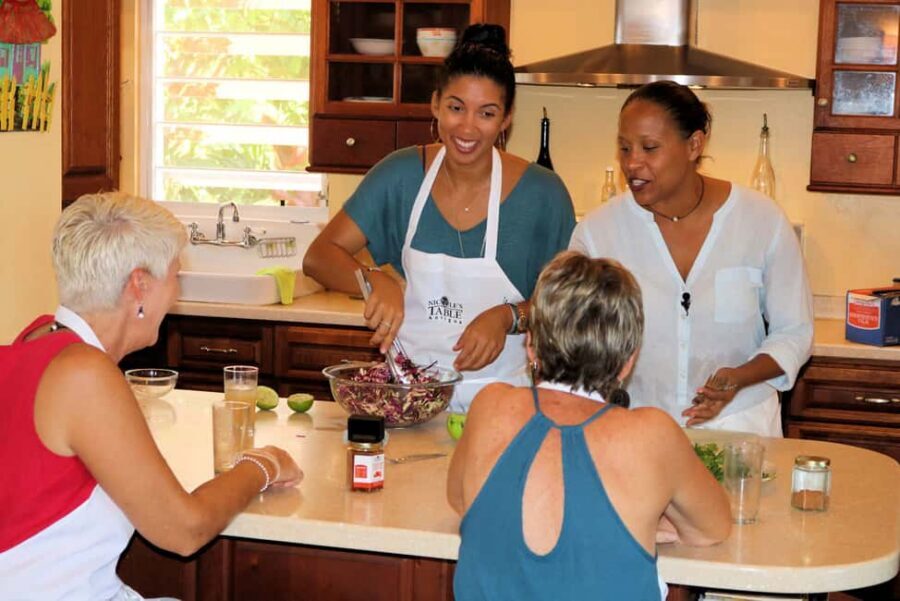
- Hands-on cooking where you prepare each course, not just watch
- Six rum tastings spanning Antigua, Guyana, Martinique, and Cuba
- A true three-course lunch with the exact recipes you helped make
- Rum in savory and sweet so you learn what it does to flavor and texture
- Small-group vibe with a 4-person minimum that can affect scheduling
A Hilltop Caribbean Home Turns Cooking Into a Real Evening
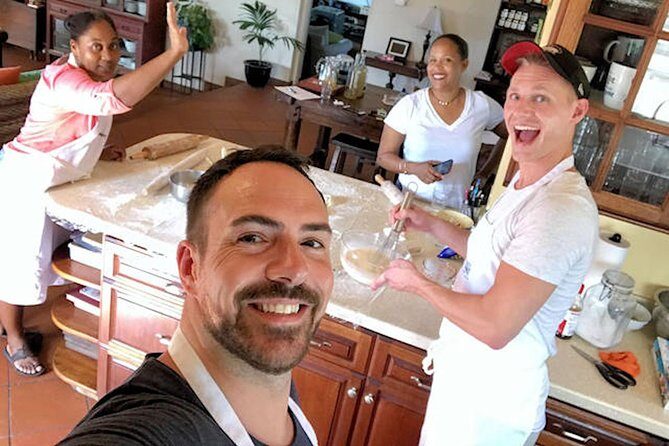
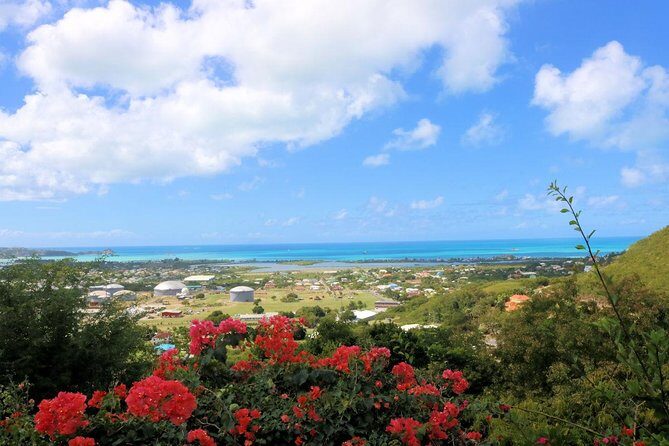
This isn’t a sterile, kitchen-at-a-distance kind of class. The setting is a local home high on a hill, with the Caribbean Sea visible from the veranda where lunch happens. That view matters because it changes your pace. You’re not rushing through ingredients; you’re settling in, chatting, and picking up cooking lessons in the middle of a lived-in place.
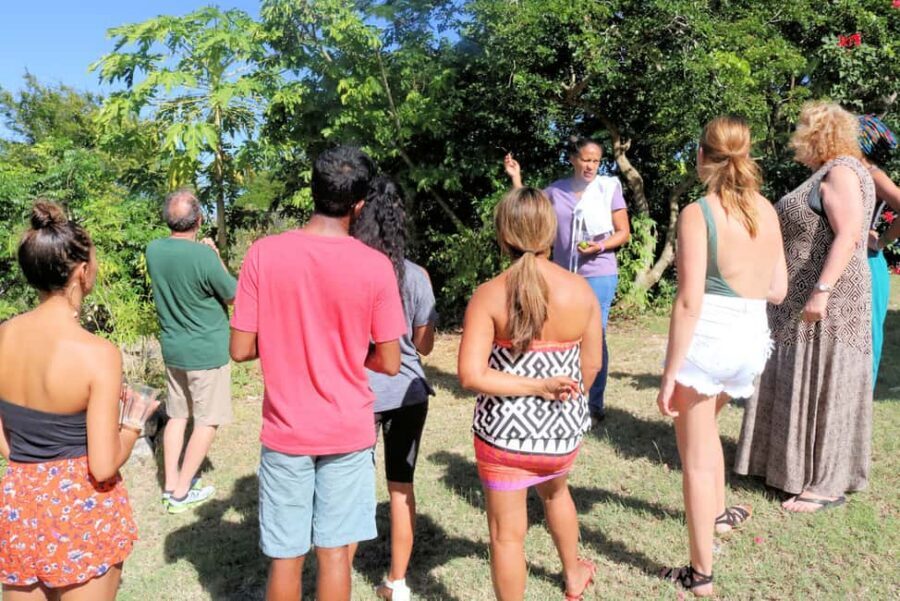
Nicole’s style is the big reason it feels personal. The teaching is informal, and she shares history and stories as you cook. It’s the sort of setup where you can be hands-on all the way or take it slower when you want. The best part is that the cooking isn’t separated from the culture. Rum, food, and everyday life in the West Indies are talked about as one connected thing.
If you’re the type who likes to understand why a dish tastes the way it does, this class gives you that context. Rum shows up as an ingredient, a companion to drinks, and a thread running through Caribbean food traditions.
You can also read our reviews of more cooking classes in St John S
How Nicole Teaches Rum as an Ingredient (Not Just a Drink)
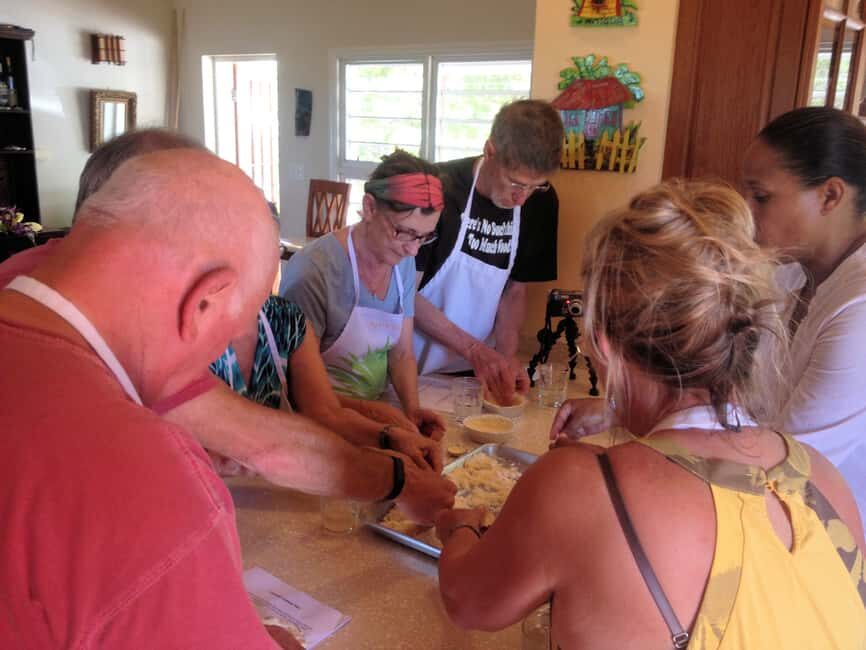
In most places, rum is either something you sip or something you add at the very end. Here, rum becomes a working tool in the kitchen. Nicole walks you through how rum is used across the meal, and she explains the purpose behind it—flavor, warmth, sweetness, and balance.
You’ll see rum used in ways that surprise people who only associate it with desserts or cocktails. In the class, Nicole discusses rum’s role in the starter, the main dish, and the dessert. That means by the time you sit down to eat, you’ve already handled the ingredients and heard the story behind them.
You also get a sense of where it all started. The history presented in the class points to rum growing in the Caribbean around the 17th century, and how it spread through the region enough to become part of the culture and cuisine. You don’t just get dates on a timeline. You get the practical cooking outcomes of that history—how rum became a flavor people wanted, again and again.
And since it’s taught hands-on, you’re not only learning; you’re practicing. The recipes you make are the same ones you eat later at lunch, so you get instant feedback on what works.
The Six-Rum Tasting: From Antigua to Cuba
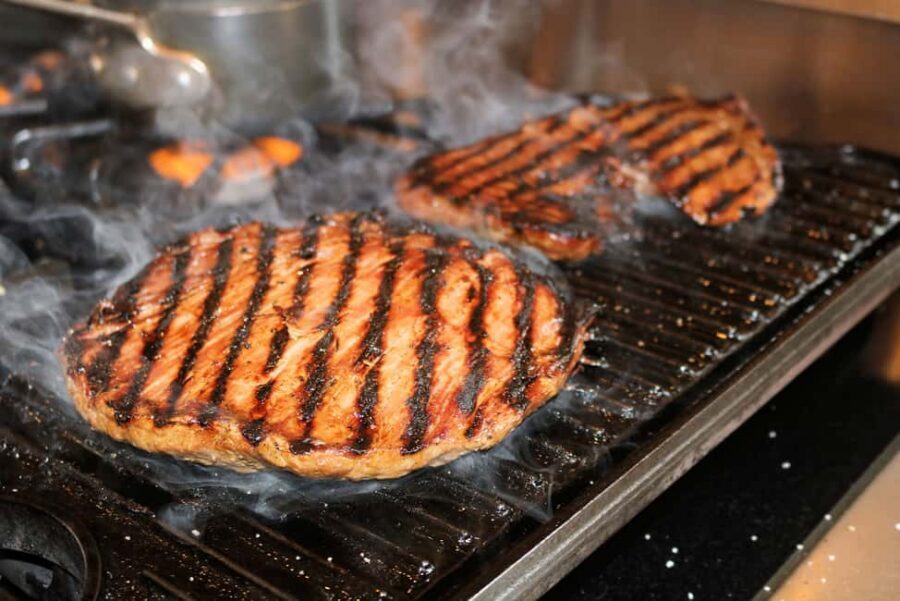
The rum tasting is a major part of the value here. You taste six different rums, and they’re not all from one place. The lineup spans Antigua and Guyana, then reaches out to Martinique and Cuba. That range matters because rum isn’t one flavor. Different regions create different profiles—spice, sweetness, depth, and how the spirit feels on the palate.
I like tastings that actually teach you something, and this one is tied into the rest of the class. Nicole helps set up the context, so the tasting doesn’t feel like a break from cooking—it feels like preparation for what you’re about to taste in food, too.
Also, the atmosphere stays friendly. Nicole’s husband, Adam, helps with the rum tasting experience, and the tone stays informal and conversation-based. One of the strengths of this setup is that you can ask questions without feeling put on the spot. That makes the tasting feel less like a lecture and more like sharing.
A practical note: the minimum drinking age is 18-years-old. If you’re under 18, you can still enjoy the cooking and lunch, but plan around the alcohol rules.
Your Three-Course Lunch Includes What You Cook
Lunch is one of the best parts of this experience because it’s not separate from the lesson. You prepare what you’ll later eat on the veranda. That’s a simple idea, but it changes everything: it makes the time in the kitchen feel worth it, and it helps you remember flavors because you built them yourself.
Here’s what the menu commonly looks like.
Cocktails and A Local Start
You’ll begin with a drink that combines a local juice with Nicole’s Old-Fashioned Rum Punch. Even if you don’t think of yourself as a “cocktail person,” this helps anchor the rum theme from the start. It also gives you something refreshing right after you’ve been cooking.





Starter: Sweet Potato Soup with Rum
The starter is sweet potato soup with rum. Sweet potatoes bring natural sweetness and a creamy base, and rum adds warmth. The combination teaches you how rum can blend into a dish without overpowering it. You’ll get to see how the ingredient changes the soup’s overall feel.
Main: Rum and Brown Sugar Marinated Flank Steak + Onion Jam
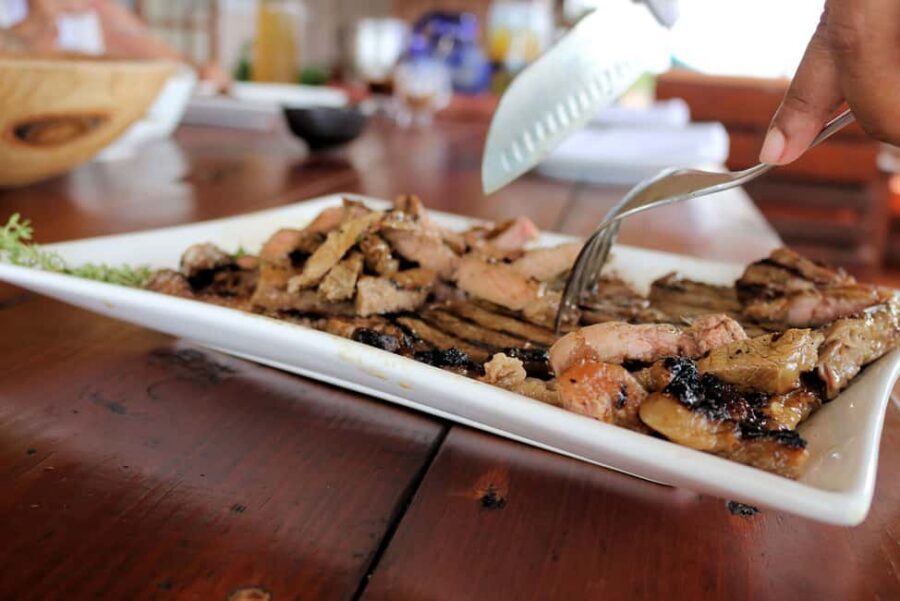
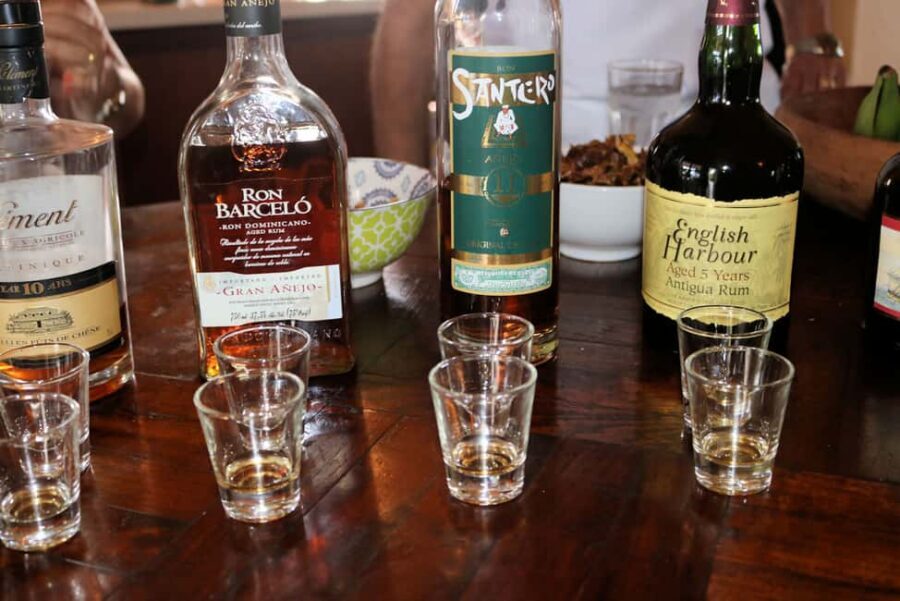
The main course is flank steak marinated with rum and brown sugar, plus onion jam. This is where rum really shows its cooking side: it helps create a deeper flavor and pairs naturally with the sweetness from brown sugar and the savory bite of onion jam. It’s also a very “Caribbean-meets-home-kitchen” type of dish—practical, flavorful, and designed for a meal that’s meant to be enjoyed slowly.
Sides: Plantains Wrapped in Bacon, Red Beans and Rice, Garden Salad
The sides are the kind that make a plate feel complete:
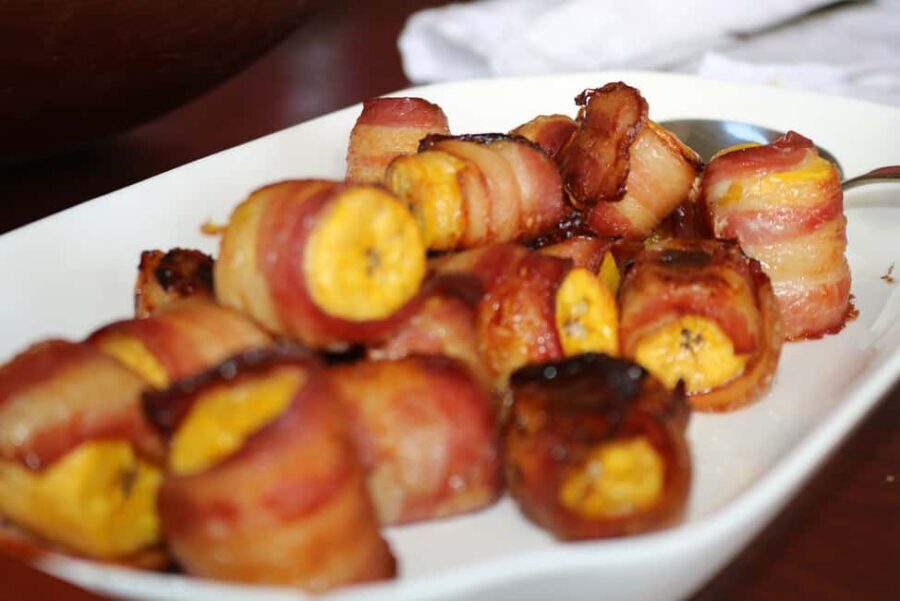
- plantains wrapped in bacon
- red beans and rice
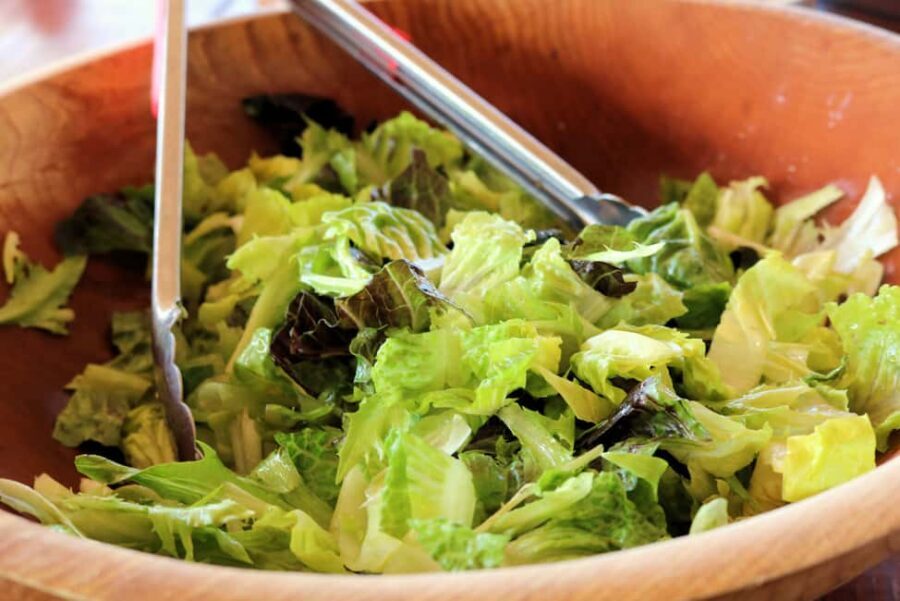
- a garden salad
This mix also gives you contrast: sweet + salty in the plantains, hearty and comforting with the beans, and a clean finish from the salad. It’s not just a set of side dishes. It’s a balance lesson.
Dessert: Bread Pudding with Rum-Soaked Raisins
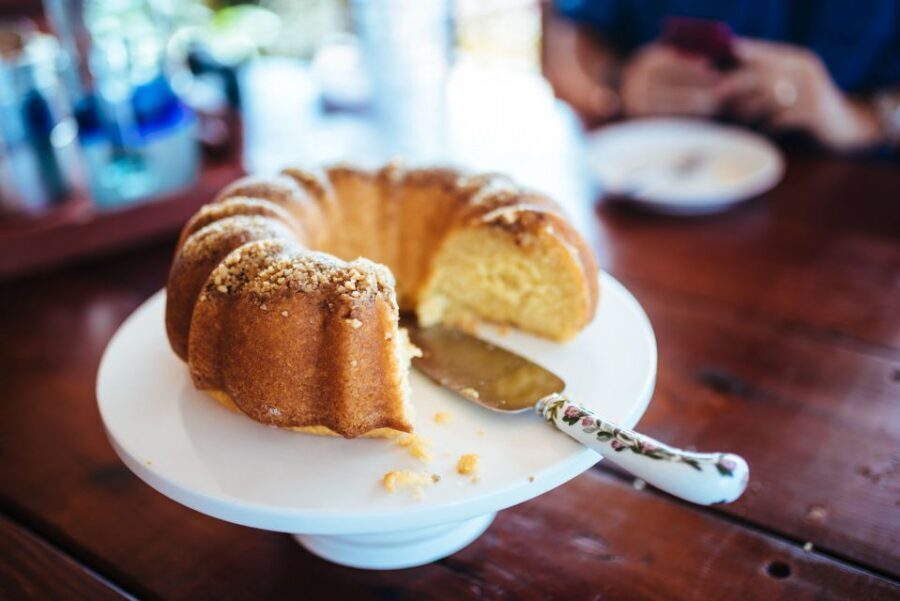
Dessert is bread pudding with rum-soaked raisins and a butter rum sauce (or a butter rum cake, depending on what’s available). This is classic rum dessert territory, but the real learning comes from comparing how rum behaves in baked dessert versus soup and marinades. You taste the same ingredient moving through different cooking methods.
Important practical point: all recipes depend on season and availability. If you’re hoping for one exact item every time, go in with flexibility. The rum theme and course structure will stay, but the exact details can shift.
Timing and Price: What You’re Really Paying For
The price is $164 per person for about 4 hours, and you’ll likely start around 11:00 and finish around 15:00. That timing is cruise-friendly and hotel-friendly. It’s long enough to feel complete, but not so long that it wrecks your day.
When I judge value for a class like this, I look at three things:
1) How much food you actually get
2) Whether you practice the cooking or just watch
3) Extras that help you repeat the experience later
This has all three. You get a full meal with multiple courses, hands-on cooking, and a recipes booklet you can take home. Plus, you’re included in the rum tasting and drinks, which would cost extra elsewhere.
You’re also paying for the fact that it happens in a local home. You’re not just buying instructions; you’re buying a social, story-led meal where rum is explained and tasted in a connected way.
There’s also a small-group constraint: the class can require a 4-person minimum. If your group is smaller, the operator may move your booking to another day. That doesn’t change the experience itself, but it affects planning. If your schedule is tight, you’ll want to book early and confirm the timing once you get your directions.
Getting There: No Pickup and a Hill-Top Location
You meet at Nicole’s Table, and there’s no hotel pickup. After you reserve, you’ll receive email directions. This is one of the biggest practical differences versus many shore excursions that bus you in and out.
The location is on a hill overlooking the Caribbean Sea, which is part of the magic—but it also means you should treat the trip to the meeting point as part of the plan, not an afterthought. If you’re relying on taxis or walking, give yourself buffer time so you arrive relaxed.
One other accessibility note: this class is not suitable for wheelchair users. If accessibility matters for you, plan accordingly.
Who This Rum Class Suits Best (And Who Should Skip It)
This class is a great match if you want a hands-on experience that mixes food with stories. It’s also a good fit if you like tastings that connect to the meal. The menu isn’t just random food. It’s built around rum in multiple ways—starter, main, and dessert—so you’ll come away with real flavor understanding, not just a full stomach.
It’s less of a match if you:
- want an alcohol-free experience
- need wheelchair access
- prefer highly formal instruction with strict silence (this is informal and conversational)
A few family-and-policy notes to keep in mind:
- Pets are not allowed.
- Unaccompanied minors are not allowed.
- Children must be accompanied by an adult.
- Minimum drinking age is 18-years-old.
If you’re traveling as a couple or a small group, the class format usually feels friendly and manageable. If you’re a larger group, you may still fit, but the 4-person minimum factor can matter when scheduling.
How to Prepare: Allergies, Clean Hands, and Feeling Well
This is a home-based class, and the rules reflect real-life hygiene and safety. Hand washing is required, and if you have flu-like symptoms, you’ll be required to wear a mask. That’s the kind of straightforward health policy that keeps shared spaces comfortable for everyone.
If food allergies matter, ask early. You should advise of any dietary requirements, especially food allergies, at the time of booking. Also note that recipes depend on season and availability, so you may not be able to guarantee one exact substitute—but telling the host what you need is the right first step.
Should You Book This Rum Cooking Class in Antigua?
Book it if you want more than a “cook and eat” activity. This is a rum-and-food learning session in a real Caribbean home, with a hilltop view, six rum tastings, and a full three-course lunch tied directly to what you cook. The informal way Nicole teaches—plus Adam’s help with the tasting—makes it feel welcoming and easy to join.
Skip it if you’re expecting hotel pickup, wheelchair access, or a strictly formal cooking environment. Also, remember the alcohol rules: the minimum drinking age is 18.
FAQ
Where do I meet for the cooking class?
You’ll meet at Nicole’s Table. After you reserve, you’ll be emailed with directions.
Is there hotel pick-up and drop-off?
No. There is no pickup service for this activity.
How long is the experience, and when does it start?
The class lasts about 4 hours. It starts at 11:00 and usually ends around 15:00.
Do I get recipes to take home?
Yes. A recipes booklet is included.
Is there a minimum drinking age?
Yes. The minimum drinking age is 18-years-old.
What if I have dietary requirements or food allergies?
You should advise of any specific dietary requirements, especially food allergies, at the time of booking.
Can I cancel for a refund?
Yes. Free cancellation is available up to 24 hours in advance for a full refund.