REVIEW · ST JOHN S
St. John’s: From the Sea Cooking Class
Book on GetYourGuide →Operated by Nicole's Table · Bookable on GetYourGuide
A great seafood lunch in Antigua comes with a view. This hands-on class turns whatever fish is available that day into a 3-course meal you cook yourself, then eat on a veranda overlooking the Caribbean Sea. I like that you get a real process you can repeat at home, not just a meal. I also like the storytelling tone of the teaching, where food history and West Indian life show up in plain, human ways. One thing to consider: there’s no pickup, so you’ll want to plan how you’ll get to Nicole’s Table.
The menu changes based on what’s recently caught and what the sea conditions allow. I like that this keeps it tied to daily island life, so your lunch may be mahi-mahi one day and snapper or grouper another. There’s also a take-home benefit: you’ll receive the recipes for what you make, including sides and dessert, so the class doesn’t stop when you leave.
In This Review
- Quick hits: why this cooking class feels like an invitation
- A hillside kitchen with Caribbean Sea veranda views
- How the fish of the day shapes your menu
- The 4-hour flow: drinks, cooking stations, and lunch together
- Drinks first: rum punch, local juice, and cistern water
- Starter work: garlic shrimp in a crispy wonton cup
- Main course: grilled ginger-lime mahi-mahi or stuffed snapper
- Sides and salad: rice and a rainbow plate
- Dessert: mini cheesecakes with passion fruit
- Recipe handoff: the real value for cooks back home
- Price and value: is $164 per person worth it?
- The local feel: why it’s more than a cooking class
- Who should book Nicole’s Table seafood class
- Planning your visit: meeting point and practical notes
- Should you book this seafood class in Antigua?
- FAQ
- FAQ
- How long is the St. John’s: From the Sea Cooking Class?
- What does it cost?
- What time does the class usually start and end?
- Is pickup transportation included?
- What kinds of fish might I cook?
- Is the menu fixed?
- What food and drinks are included?
- Are recipes provided?
- What’s the minimum drinking age?
- What is the cancellation policy?
Quick hits: why this cooking class feels like an invitation
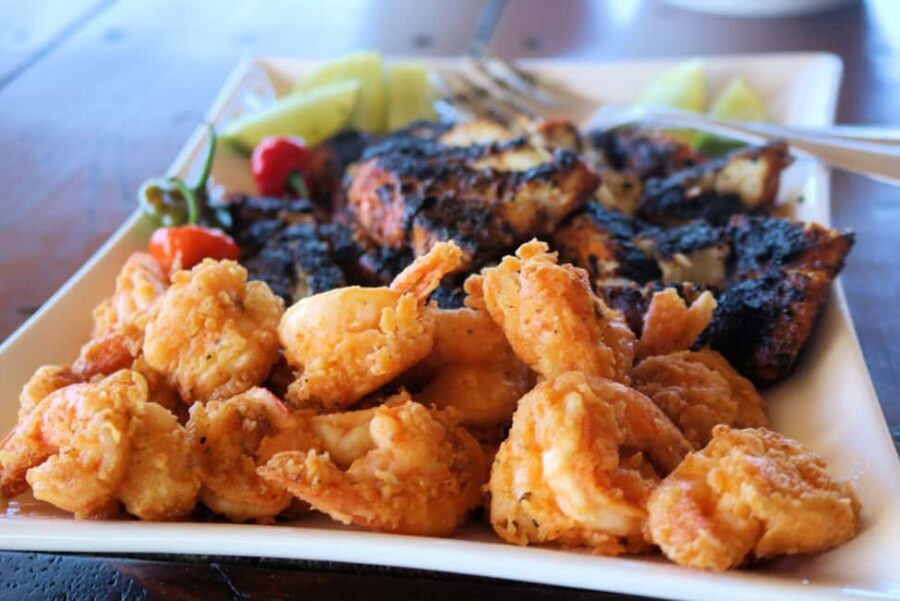
- Fresh-from-the-day fish menu based on season and sea conditions, with options like mahi-mahi, snapper, tuna, or grouper
- Hands-on cooking throughout: starter, main fish dish, sides, and dessert
- Sea-view veranda lunch after you finish, with a relaxed Caribbean home setting
- 3-course meal plus drinks including local juice, cistern water, and Nicole’s Old Fashioned Rum Punch
- Recipe pack included so you can recreate the menu back home
- Informal teaching with West Indies stories that make it feel local, not scripted
A hillside kitchen with Caribbean Sea veranda views
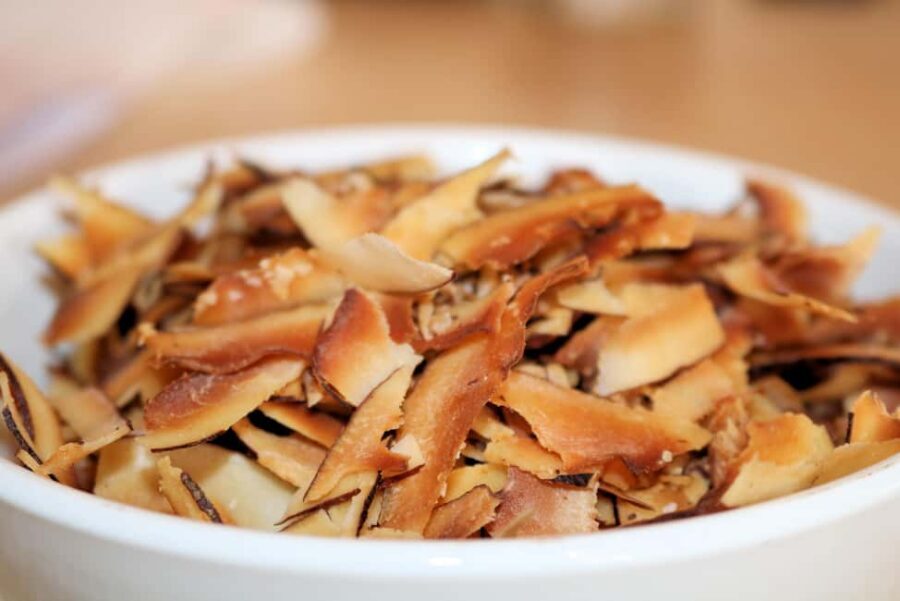
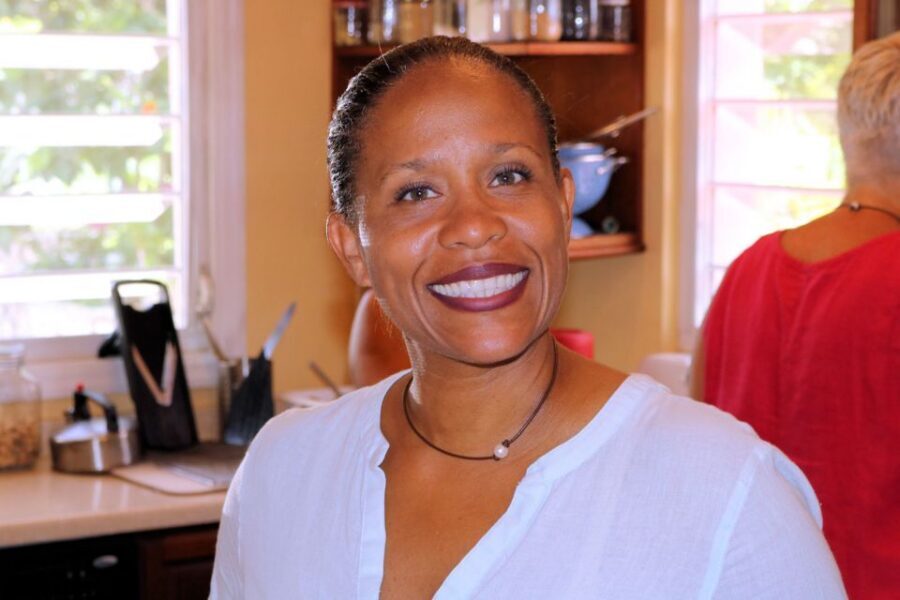
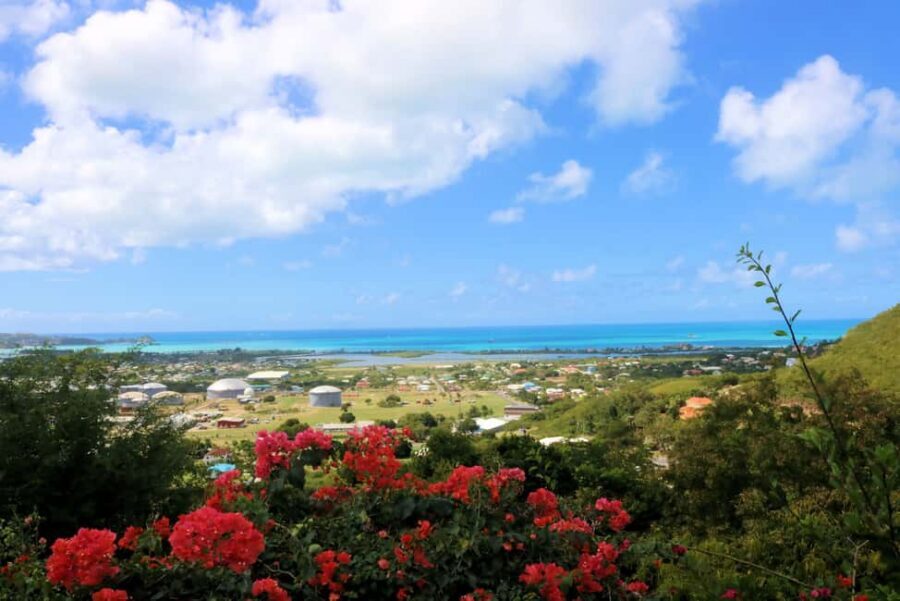
Nicole’s Table is a home high on a hill, and you feel that elevation once you’re there. The reward is a veranda overlooking the Caribbean Sea, where lunch turns into a slow, satisfied pause after you’ve been cooking. It’s not a factory-style experience. It’s more like being welcomed into someone’s kitchen routine, with enough structure that you won’t feel lost.
That home setting matters for the vibe. You’re working right in the kitchen with your food in front of you—then you eat where you cooked, with the sea as your backdrop. It’s the kind of setting that makes the whole afternoon easier on your brain. You’ll be busy, but not rushed.
The big practical point: plan for a true on-foot activity. There’s no mention of transport, so expect to navigate to the address yourself.
You can also read our reviews of more cooking classes in St John S
How the fish of the day shapes your menu
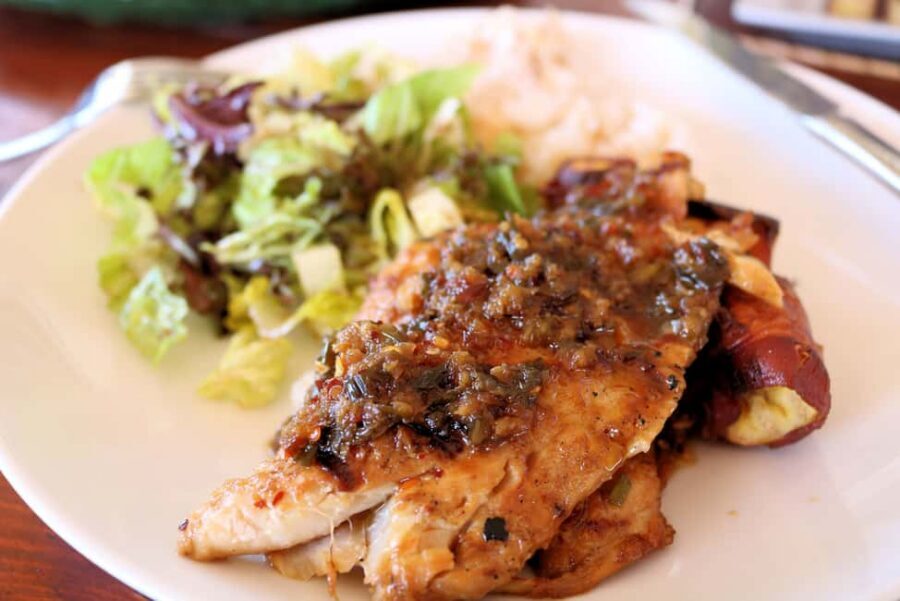
The key rule is simple: what’s available today drives the class menu. The organizer frames it like a daily question—what did the boats bring in recently, and what’s the sea like right now? That means the menu can shift from what you might expect based on typical examples.
For you, this has two real upsides:
1) You learn flexibility. When you recreate the recipe at home, you’ll know what to do even if your fish choice changes.
2) You get the local product, not a tourist substitute. The idea is to cook what’s fresh where you are, rather than forcing a single fish to appear on schedule.
A typical fish menu might include mahi-mahi, snapper, tuna, or grouper, depending on season and conditions. Your exact course lineup depends on what arrives, so don’t lock yourself into one fish story before you go.
The 4-hour flow: drinks, cooking stations, and lunch together
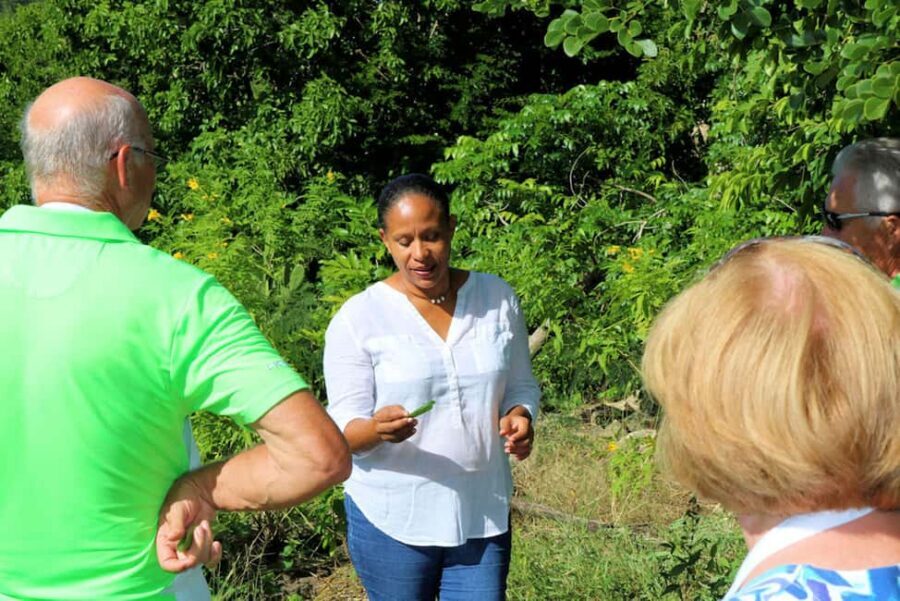
Classes run about 4 hours, starting at 11:00 and usually ending around 15:00. That timing is one reason this works so well for both cruise and hotel guests: it’s long enough to feel like an experience, but not so long that it hijacks your whole day.
Here’s how the day typically unfolds:
- Drinks and get-set-up moment at the start
- Hands-on work for the starter
- Main fish dish prep and cooking
- Sides come next, built alongside the meal
- Dessert to close things out
- Then you sit down for the full lunch and eat what you made
There’s also a comfort factor in how it’s taught. You can go at it at your own pace since the class can be hands-on or as laid-back as you wish. That’s useful if you’re not a confident cook. The goal is to help you recreate the menu after you return home, so the teaching focuses on repeatable steps, not just showy technique.
Drinks first: rum punch, local juice, and cistern water
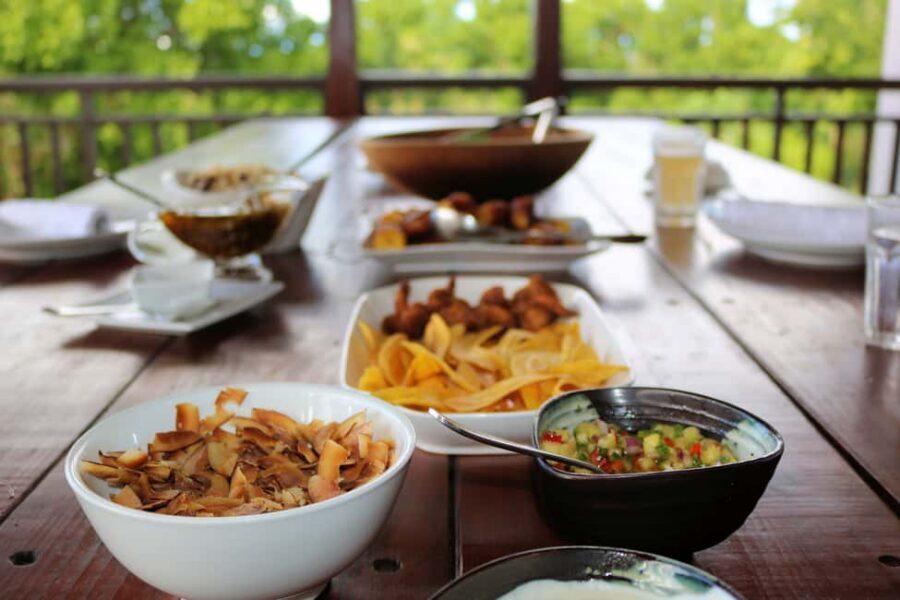
You don’t just jump into chopping. You start with drinks that set the tone for the meal.
A typical set includes:
- Nicole’s Old Fashioned Rum Punch
- a local juice
- water from the cisterns
Two practical notes matter here. First, the minimum drinking age is 18. Second, since drinks are part of the included experience, plan to pace yourself—this class is roughly half a day, and you’ll be cooking and then eating.
Even if you’re skipping alcohol, the included juice and cistern water are part of the overall “island meal” feel.
Starter work: garlic shrimp in a crispy wonton cup
The starter is usually a hands-on win because it’s fun and very doable. The common example is garlic shrimp in a crispy wonton cup with avocado.
What you learn from a dish like this isn’t just one flavor. You’re practicing:
- working with shrimp (quick-cook seafood skills you’ll remember)
- building texture with crisp elements like wonton cups
- balancing richness with something fresh like avocado
And since this is early in the meal, the starter becomes a good warm-up. You’ll get comfortable with the kitchen rhythm before the main fish.






Main course: grilled ginger-lime mahi-mahi or stuffed snapper
This is the center of the class: you’ll cook the main fish dish, and the type of fish depends on what’s fresh that day.
Some typical options:
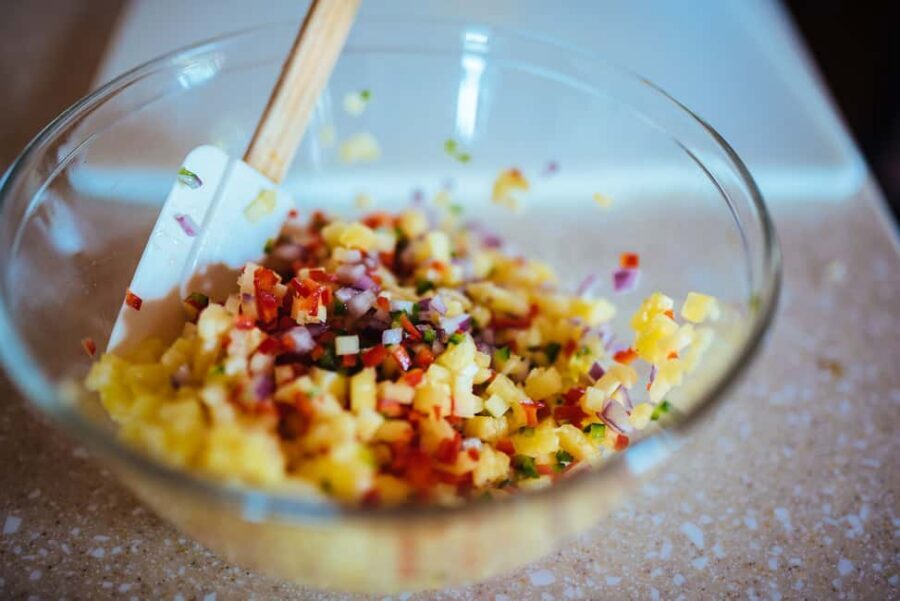
- Grilled ginger lime mahi-mahi with pineapple salsa
- Blackened fish tacos with spicy slaw
- Baked stuffed whole snapper
Each option teaches you something different.
- If you cook mahi-mahi with ginger-lime and pineapple salsa, you’ll learn how bright acid and sweetness can sharpen seafood without hiding it.
- If tacos are on the menu, it’s about seasoning plus crunchy-and-creamy balance from slaw, so you don’t end up with a flat bite.
- If you get stuffed whole snapper, you’ll see how a whole fish turns into a centerpiece when seasoning and baking are done with care.
No matter which fish you get, the lesson stays consistent: the course is designed to be approachable at home. You’re not just eating seafood; you’re learning how the flavor structure holds up.
Sides and salad: rice and a rainbow plate
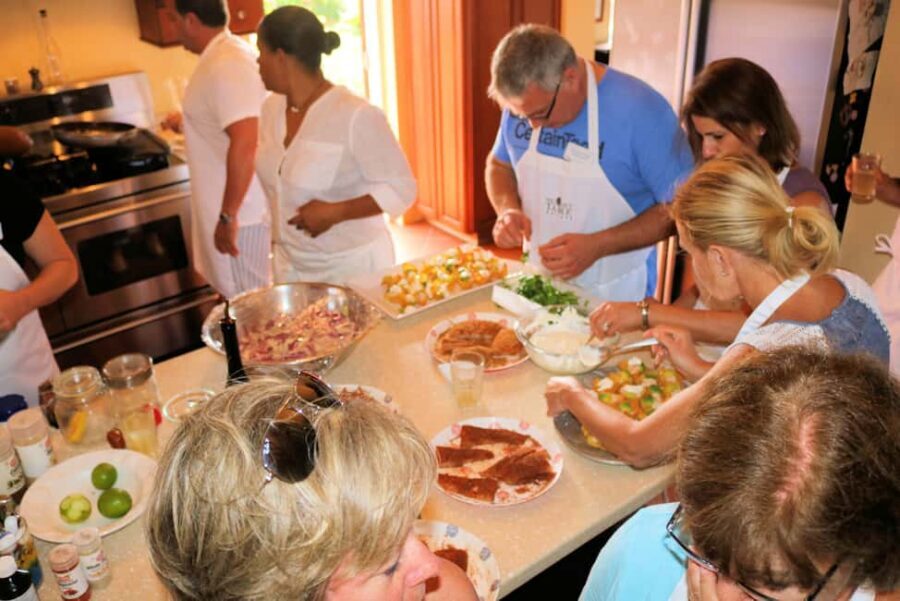
Sides aren’t an afterthought here. A typical lineup includes basmati rice and a rainbow salad.
Why that matters: seafood cooks fast, but a good meal needs support. Rice gives you a neutral base that soaks up sauces and salsa. A rainbow salad adds crunch and freshness so the plate doesn’t feel heavy.
You’re also getting a set of side skills that are repeatable. Even if the main fish changes, you’ll still know how to build a balanced plate using sides that are common in the Caribbean style of home cooking.
Dessert: mini cheesecakes with passion fruit
The last stop is dessert, and it’s usually mini cheesecakes with passion fruit.
Dessert might seem simple compared with fish and sides, but it plays a big role in the overall experience. It turns the class into a full meal, not a work session that happens to end with sugar. Also, passion fruit is one of those flavors that tends to read clearly even if you’ve never cooked with it before—so it’s a strong payoff when you’re trying to repeat the menu later.
Recipe handoff: the real value for cooks back home
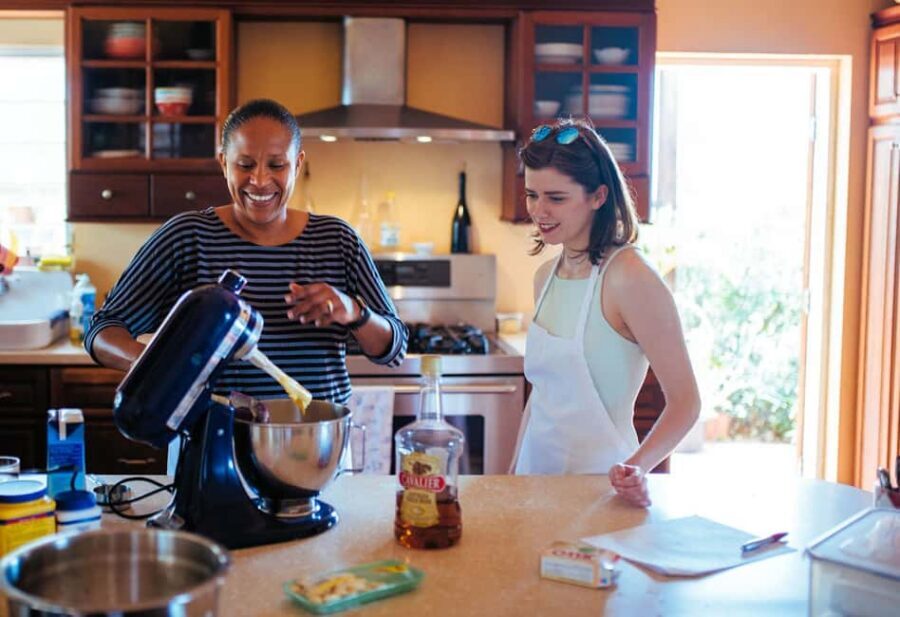
The most practical part of this class is the recipe packet. You’ll receive the recipes for what you prepare—so you can cook the same menu after you return home.
That’s a big part of why this feels like more than entertainment. In a lot of cooking experiences, you watch, eat, and forget. Here, you leave with the tools to rebuild your lunch step by step.
And based on the way people talk about the experience, that’s exactly what they’re excited about—getting the recipes and turning the class into a future home meal, not just a memory.
Price and value: is $164 per person worth it?
At $164 per person, this isn’t a bargain-basement activity. It’s also not priced like a generic tour bus stop, because what you’re buying is time, instruction, ingredients, meals, and drinks—plus recipe handoff.
Here’s the value math that makes sense for this style of class:
- You’re in the kitchen hands-on for about 4 hours, not just watching.
- You eat a full 3-course lunch at the end (starter, main fish, sides, dessert).
- Drinks are included, including rum punch, local juice, and water.
- Recipes are included, which is what lets the experience keep paying you back after the trip.
If you enjoy cooking, this price is easier to swallow because you’re not just buying food—you’re buying repeatable know-how. If you’re only interested in eating and not learning, the cost may feel steep. But if you want a meal you can recreate, this price is tied to tangible outcomes.
The local feel: why it’s more than a cooking class
The class is taught in an informal way, with history explained and stories about living in the West Indies woven into the lesson. That storytelling piece matters because it explains the why behind what you’re making—spices, food habits, and how the island’s everyday life shapes the meals.
This also helps the class avoid the stiff, scripted feeling some cooking events have. You’re not treated like you’re there to take photos. You’re treated like you’re there to learn and share a table afterward.
If you’re after authentic-feeling local time, this is the structure you want: cook together, talk together, eat together.
Who should book Nicole’s Table seafood class
This experience is a strong match if you:
- want a hands-on food experience instead of just tasting
- like seafood and are okay with the menu changing based on the day’s catch
- enjoy learning techniques you can repeat at home
- want a sea-view lunch that feels like a Caribbean home moment
It may be less ideal if:
- you need wheelchair access (it’s not suitable for wheelchair users)
- you’re bringing very young kids without an adult (children must be accompanied by an adult)
- you’re hunting for a fixed menu guarantee (the fish depends on what’s available)
Planning your visit: meeting point and practical notes
You meet at Nicole’s Table. There’s no pickup service, and you’ll get directions by email after booking.
A few other practical rules to know upfront:
- Hand washing is required, and you may be required to wear a mask if you have flu-like symptoms.
- If you have food allergies or dietary requirements, you should advise at booking time.
- Pets are not allowed.
- The instructor is English.
- Minimum drinking age is 18.
- If your party is less than 4, your booking may be moved to another day to meet a four-person minimum.
You’ll also want to build your schedule around the 11:00 start and typical 15:00 finish, especially if you have a later dinner plan or a cruise timetable to respect.
Should you book this seafood class in Antigua?
If you want a meal with a story, and you like the idea of leaving with recipes you can use again, I’d book it. The strongest reasons are the combination of hands-on cooking, a sea-view lunch, and the fact that the menu is tied to what’s truly fresh that day.
Skip it only if you mainly want sightseeing thrills, or if you strongly need a single predetermined fish option. Otherwise, it’s one of those trips that turns food into a lesson you can carry home—along with a kitchen confidence boost.
FAQ
FAQ
How long is the St. John’s: From the Sea Cooking Class?
The class lasts about 4 hours.
What does it cost?
It costs $164 per person.
What time does the class usually start and end?
Classes start at 11:00 and usually end around 15:00.
Is pickup transportation included?
No. There is no pickup service. You meet at Nicole’s Table, and directions are emailed after booking.
What kinds of fish might I cook?
The menu depends on what’s available that day. Options can include mahi-mahi, snapper, tuna, or grouper.
Is the menu fixed?
No. The menu adjusts based on season and availability, depending on what was recently caught and sea conditions.
What food and drinks are included?
You get a 3-course lunch plus drinks, which may include Old Fashioned Rum Punch, local juice, and water from the cisterns.
Are recipes provided?
Yes. You receive all the recipes for the class.
What’s the minimum drinking age?
The minimum drinking age is 18 years old.
What is the cancellation policy?
You can cancel up to 24 hours in advance for a full refund.