REVIEW · ANTIGUA
Nicole’s Table – Cooking with Rum
Book on Viator →Operated by Nicole's Table Ltd · Bookable on Viator
Rum, cooking, and a sea view in one afternoon. At Nicole’s Table in Antigua, the 4-hour Cooking with Rum class turns a local home high on a hill into a hands-on food lesson, with a sea-view kitchen and a rum tasting worked right into your meal. I love the way you cook and sip as you go, so the time doesn’t feel like a lecture. I also like that you leave with a recipe packet for everything you make, which is rare for short classes. One consideration: the experience is designed for a small group, so if it doesn’t meet the minimum, your date may shift.
This is also value-heavy compared to the usual “stand and watch” cooking class. For $165 per person, you’re not just paying for instruction—you’re paying for multiple drinks, a full set of rum-enhanced courses, and recipes to repeat it at home. With a max group size of 12, you should expect more real attention than you’d get in a big tour kitchen.
In This Review
- Key things I’d circle before you book
- The Setting: A Real Home on a Hill Above Antigua
- Your 11:00 AM Start and How the Timing Really Works
- What You’ll Cook: Rum Cocktails, a Three-Course Meal, and Dessert
- Starter: The rum-forward appetizer moment
- Main course: Caribbean flare with hands-on control
- Dessert: Rum flavor that actually lands
- The Rum Tasting: Six Regional Rums and a Built-In Education
- Why that matters (and why you’ll remember it)
- Nicole’s Teaching Style: Informal, Story-Driven, and Actually Helpful
- What you should bring mentally
- Drinks, Snacks, Lunch, Dinner: A Food-First Afternoon
- Take-Home Recipes: The Part That Turns a Fun Trip into Real Cooking
- View, Atmosphere, and Group Size: Why It Feels So Personal
- Practical Tips: Getting There and Getting the Most Out of It
- Basic planning checklist
- Who Should Book Nicole’s Table – Cooking with Rum?
- Should You Book Nicole’s Table – Cooking with Rum?
- FAQ
- How long is the Cooking with Rum class in Antigua?
- Where do I meet for Nicole’s Table?
- Is transportation included from hotels or the port?
- What’s included in the price?
- Is there an age limit for drinking rum?
- Can children join?
- Are dietary restrictions handled?
- Is the class dependent on weather?
Key things I’d circle before you book
- A hillside home view: You cook with the Caribbean Sea in your line of sight.
- Hands-on, not show-only: Nicole keeps it informal and you can go as hands-on (or laid-back) as you want.
- Rum tasting as education: You’ll sample 6 regional rums, not just a quick sip.
- Rum in every course: Starter, main, and dessert are built around the island’s signature ingredient.
- Take-home recipes: You get written recipes for everything you cook.
- Small group energy: Up to 12 people, so questions don’t get lost.
The Setting: A Real Home on a Hill Above Antigua
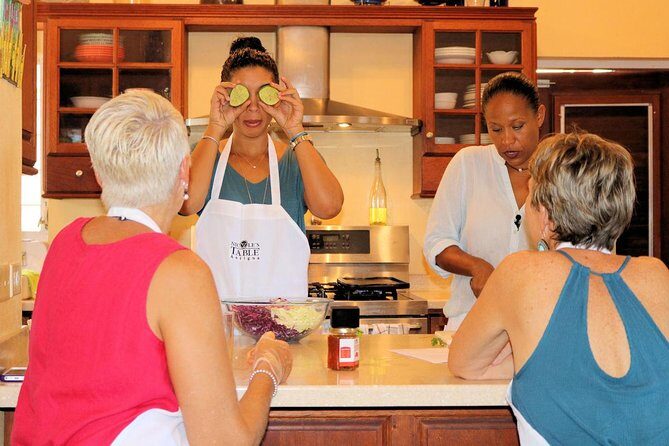
Nicole’s Table is in a local home on Orchid Hill Drive, set high enough to catch wide sea views. That matters more than you might think. It changes the whole mood from “activity” to “afternoon with people,” because you’re not rushing through a restaurant kitchen or a tourist-style demo space.
Also, this is not a sterile classroom. Nicole runs the class in an easy, informal way. Expect conversation, food history, and stories about life in the West Indies, not just a checklist of steps. That tone is a big reason people remember the class as cultural—not only culinary.
You can also read our reviews of more tours and experiences in Antigua.
Your 11:00 AM Start and How the Timing Really Works
The class starts at 11:00 am and runs about 4 hours. You’re meeting at Orchid Hill Drive, and the experience ends back at that same meeting point. There’s no hotel or port pickup included, so plan to get yourself to the address by taxi or your own ride.
Here’s the practical takeaway: you’ll want to eat a normal breakfast or early brunch, but don’t plan on “light” appetite. The experience includes lunch plus dinner, along with snacks, coffee or tea, and drinks as part of the cooking. This is built so you’re learning while you’re fed, not nibbling while you watch.
What You’ll Cook: Rum Cocktails, a Three-Course Meal, and Dessert
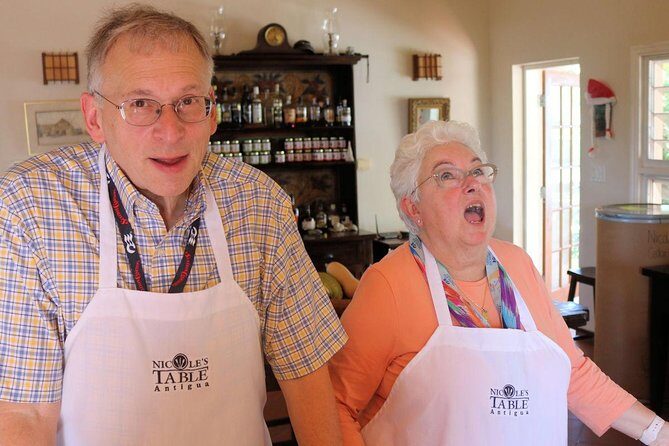
The Cooking with Rum concept is straightforward: every part of your meal ties back to rum. That means you’ll make:
- A cocktail/drinks component
- An appetizer
- A main course
- A dessert
All using rum as the island’s iconic ingredient. The class also uses multiple rums from the region while you cook, so you’re not just learning one trick—you’re learning how rum can change flavor across sweet and savory.
Starter: The rum-forward appetizer moment
The appetizer is where you first taste how rum can act like a flavor booster instead of just a sweet addition. Nicole talks through the uses of rum in the starter, including what to watch for as flavors develop.
If you’re the type who hates bland “edible crafts,” this part is a good sign. The focus is on real cooking outcomes: you build, you taste, you adjust, and you get a recipe you can reproduce later.
Main course: Caribbean flare with hands-on control
For the main, expect step-by-step guidance while you cook. Nicole keeps it informal, but the process is structured enough that you won’t feel lost.
This is also where the class can really pay off for beginners. One reason people love this class is that Nicole’s teaching style is patient and interactive. You can ask questions while you’re chopping, sautéing, or assembling—so you don’t leave with only notes. You leave with muscle memory.

Dessert: Rum flavor that actually lands
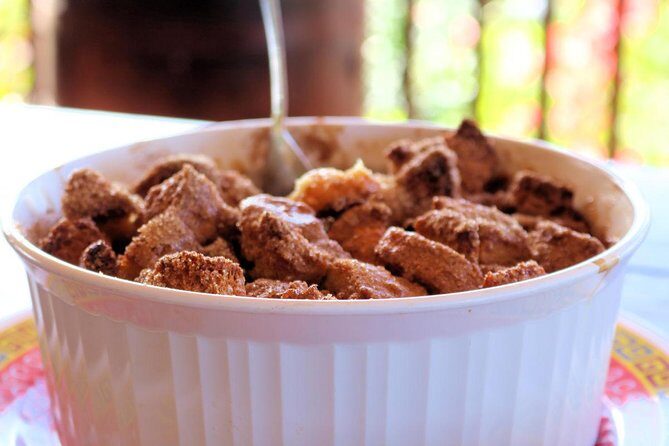
The dessert is the pay-off for the rum theme. Nicole covers how rum works in dessert applications, and you finish with a sweet course that feels like it belongs to the same flavor world as the drinks and savory parts.
And yes, dessert recipes are included—so your last bite isn’t the end of learning. It’s the last chapter, with a page you can take home.
The Rum Tasting: Six Regional Rums and a Built-In Education
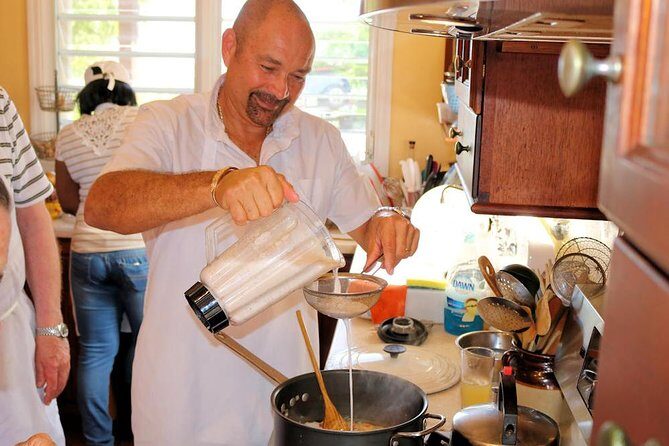
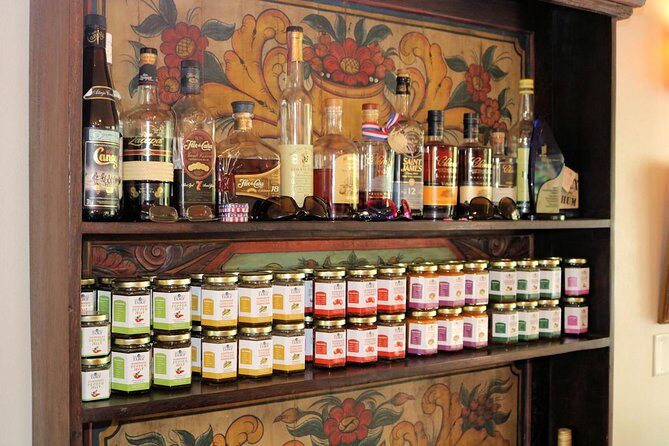
One of the strongest parts of the experience is the rum tasting. You don’t just get a “cheer, sip, move on.” You’ll participate in a tasting of 6 regional rums.
Nicole’s approach to the tasting is tied to context: she discusses the history of rum in the Caribbean, starting around the 17th century, and how rum influenced Caribbean culture and cuisine. Then you get to connect that story to what’s in your glass.
Why that matters (and why you’ll remember it)
Rum can be confusing because it ranges from lighter, sweeter profiles to deeper, spicier styles. A structured tasting helps you notice things quickly: aroma, sweetness level, and the way each rum behaves when mixed into cocktails or cooked into dishes.
It also helps you figure out what you like. If you’re not the type who automatically loves every spirit, this is the part that gives you control. You’ll taste enough variety to understand your own preferences.
Nicole’s Teaching Style: Informal, Story-Driven, and Actually Helpful

Nicole’s Table feels more like a warm home gathering than a scripted “tour kitchen.” Nicole teaches in an informal way and includes history and stories about West Indian living, food, and rum culture.
You also get one-on-one attention. With a max of 12 people, questions aren’t awkward. And because you’re cooking, you’re not stuck watching someone else do the work.
This class is taught in a hands-on way, but there’s flexibility. If you want to stay more relaxed—watch, assist, and taste—that’s possible. If you want to be in the action, you’ll have plenty to do.
What you should bring mentally
Come ready to learn by doing. Bring curiosity, not confidence. This is one of those experiences where the process is as important as the end result.
Drinks, Snacks, Lunch, Dinner: A Food-First Afternoon
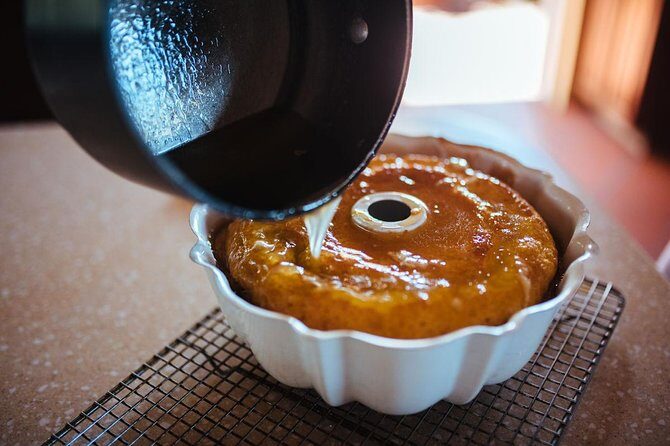
The included food list is generous. You’ll get:
- Meals, drinks, and recipes as part of the class
- Lunch
- Dinner
- Snacks
- Coffee and/or tea
That’s not typical for short cooking activities, and it’s a big reason the price can feel fair. You’re paying for ingredients, cooking instruction, alcohol, and a full meal structure, not just labor time.
The rum also shows up beyond the tasting. You’ll be cooking rum into your menu, so the drinks and food reinforce each other. That makes the whole afternoon feel cohesive.
Take-Home Recipes: The Part That Turns a Fun Trip into Real Cooking
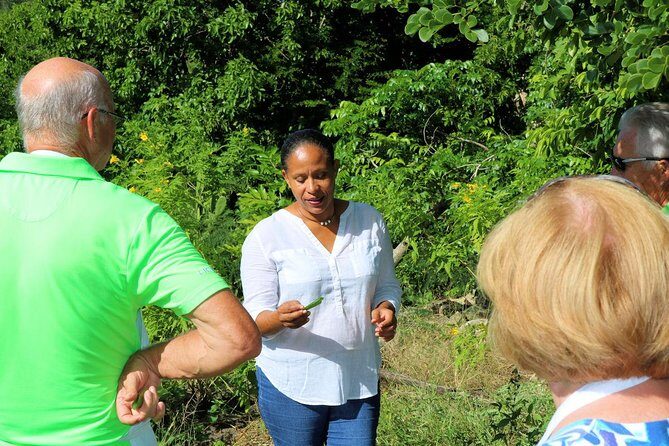
At the end, you take home recipes for everything you prepared. That’s huge. A lot of cooking classes leave you with a vague memory and a camera roll.
Here you get written recipes, which helps you actually recreate the dishes. People specifically call out the satisfaction of cooking again after returning home. That’s the real value: you’re not only eating in Antigua—you’re learning how to bring Antigua flavors into your own kitchen.
Also, recipes depend on season and availability. So your exact menu can vary, but you’ll still leave with the method and the dishes you made that day.
View, Atmosphere, and Group Size: Why It Feels So Personal
The hillside setting is a major part of why this class feels different. You’re not cooped up. You’re cooking with sea air and a view you’ll remember on your drive back.
Then there’s the group size. With a maximum of 12 travelers, it stays conversational. You have time to talk. You have time to taste. You have time to ask a question without waiting for a lull.
This also helps the “one-on-one attention” goal. If you like learning without being rushed, this works.
Practical Tips: Getting There and Getting the Most Out of It
Because there’s no pickup or drop-off included, your easiest plan is a short taxi ride to the meeting point near Orchid Hill Drive. If you’re doing this as a shore excursion, keep it simple: grab a cab near the port and use the directions given for the home location.
If you’re tight on cruise timing, here’s a smart move: ask how return timing is handled with your driver before you start cooking. In practice, Nicole’s team has coordinated return pickup timing by speaking with the taxi driver—helpful when you’re trying to avoid stress.
Basic planning checklist
- Plan for a full 4-hour block (this isn’t a quick tasting stop).
- Be ready for lots of food and drinks, so don’t schedule another meal right after.
- Tell Nicole about dietary requirements and allergies at booking so the menu can be adjusted.
- Note the drinking rules: the minimum drinking age is 18.
Who Should Book Nicole’s Table – Cooking with Rum?
This class is a great fit if you want a Caribbean experience that’s more than scenery and souvenir shops. It suits:
- People who like hands-on cooking, not just demos
- Food lovers who enjoy rum and want to understand it
- Travelers who enjoy a small-group setting with real conversation
- Anyone who values a recipe packet they can actually use later
It’s less ideal if you’re only looking for a short “drop in,” or if you want a quiet, no-stories format. Nicole’s class includes history and personal stories, and that’s part of the charm.
Should You Book Nicole’s Table – Cooking with Rum?
Yes—if you’re the kind of traveler who likes learning through food and wants a memorable Antigua afternoon. The price makes more sense when you add up what’s included: multiple rum-influenced courses, drinks, a structured rum tasting, and take-home recipes. Plus, the setting—a hilltop home with sea views—adds a level of comfort you don’t get from many cooking classes.
If you’re unsure, use this quick rule: if you’d enjoy tasting rum thoughtfully and cooking a whole meal in a relaxed, friendly kitchen, book it. If you only want a quick snack activity, skip this one and choose something shorter.
FAQ
How long is the Cooking with Rum class in Antigua?
It lasts about 4 hours.
Where do I meet for Nicole’s Table?
The meeting point is Orchid Hill Drive, Antigua and Barbuda.
Is transportation included from hotels or the port?
No. Hotel/port pickup and drop-off, and transportation to/from attractions, are not included.
What’s included in the price?
Meals, drinks, and recipes are included, along with lunch, dinner, snacks, and coffee and/or tea.
Is there an age limit for drinking rum?
Yes. The minimum drinking age is 18.
Can children join?
Children must be accompanied by an adult.
Are dietary restrictions handled?
You should advise any specific dietary requirements and especially allergies at time of booking.
Is the class dependent on weather?
Yes. The experience requires good weather.